



 0 Comments

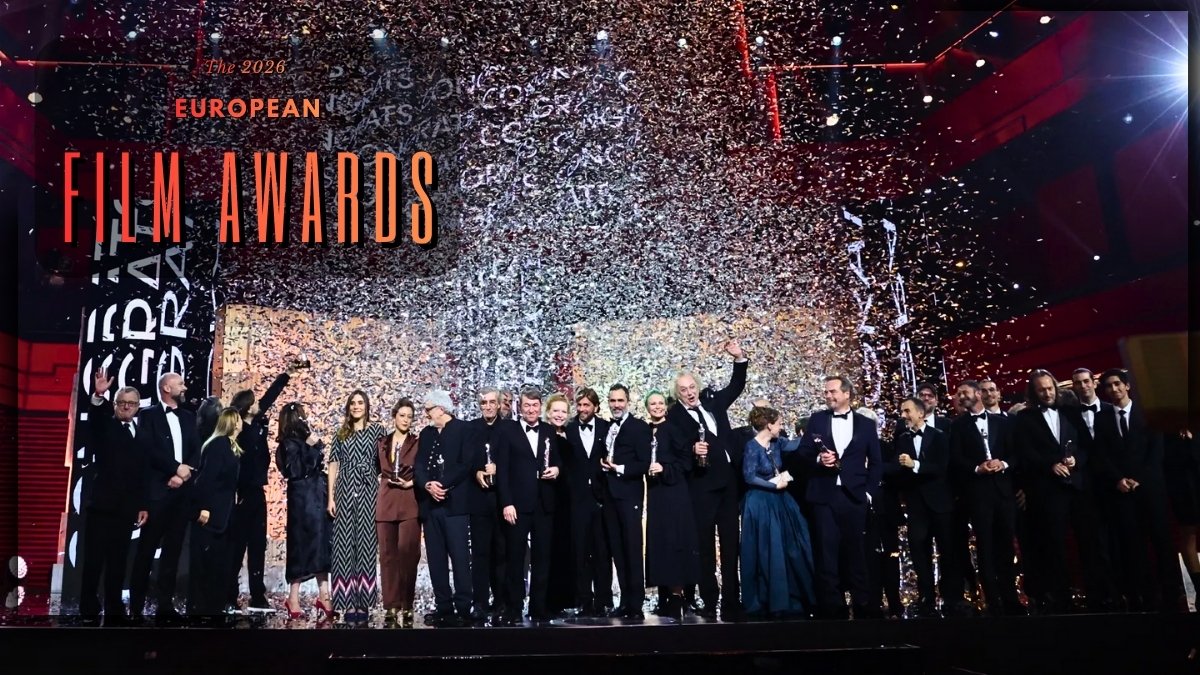
Mumbai (Maharashtra) [India], January 19: The European Film Awards have never been interested in fireworks. No mid-ceremony brand launches. No forced viral moments. No manufactured outrage packaged as “cultural conversation.” And yet, in 2026, they managed to do something far more subversive: they shifted the global awards mood without asking for permission.
The evening belonged—unexpectedly and almost inconveniently—to Sentimental Value, a Norwegian drama that walked away with Best Film, Best Director, Best Actor, and Best Actress. Not a polite win. A sweep. The kind that makes publicists blink twice and forces international distributors to suddenly pretend they were “watching this space all along.”
But the real story wasn’t just the trophies. It was the tone. The silences. The speeches that refused to behave. And the growing discomfort among those who prefer cinema to be decorative rather than declarative.
A Sweep That Wasn’t Supposed To Happen
On paper, Sentimental Value doesn’t scream “award season disruptor.” It’s restrained. Introspective. Almost aggressively uninterested in spectacle. The kind of film that trusts its audience to sit still and feel something without being spoon-fed emotional cues.
That trust paid off.
The film’s domination of the top categories sent a clear message: European cinema is done apologising for its pacing, politics, or emotional austerity. It doesn’t want to be Hollywood-adjacent anymore. It wants to be taken seriously on its own terms.
And for once, the jury listened.
When Politics Refuse To Stay Off The Stage
Awards ceremonies love to say they’re “about the art.” Until the art insists on talking back.
Filmmakers like Jafar Panahi used the platform to deliver speeches that were pointed, unglamorous, and very much aware of the room they were unsettling. These weren’t abstract calls for “peace” or “unity.” They were reminders that cinema, especially outside Hollywood, is often created under surveillance, censorship, exile, or economic precarity.
The applause was respectful. The tension was palpable.
For some viewers, this was refreshing. For others, exhausting. But that split reaction is precisely the point. European cinema has never existed to soothe.
European Cinema’s Slow, Stubborn Ascent
This wasn’t an overnight phenomenon. European films have been quietly accumulating influence for years—through festival circuits, international co-productions, and streaming platforms hungry for prestige that doesn’t come with blockbuster budgets.
What 2026 marks is a tipping point:
-
European films are no longer “festival darlings” alone
-
They are increasingly shaping global awards narratives
-
And they’re doing so without anglicizing their identities
The irony? Much of this growth has happened while mainstream coverage still treats European cinema as a niche curiosity.

Why Hollywood Is Paying Attention (Even If It Pretends Not To)
Awards strategists understand signals. And this year’s European Film Awards sent several:
-
Intimate stories can outperform expensive campaigns
-
Non-English narratives aren’t “risky”—they’re resonant
-
Political clarity isn’t box-office poison; it’s relevance
Studios won’t admit it publicly, but the ripple effect is already visible. Acquisition deals spike after these wins. International titles quietly enter “serious contender” conversations. And suddenly, subtitles don’t feel like such a hard sell.
The Pros: What This Shift Gets Right
European cinema’s rising influence brings genuine advantages to global storytelling:
Creative Freedom
-
Directors are less constrained by franchise logic
-
Risk-taking is rewarded, not punished
Narrative Diversity
-
Stories emerge from cultural specificity, not universality-for-export
-
Language, place, and politics are treated as assets
Awards Integrity
-
Jury-driven recognition resists algorithmic popularity
-
Craft still matters more than campaign noise
For audiences fatigued by formula, this feels like oxygen.
The Cons: Let’s Not Romanticize Everything
That said, European cinema’s ascent isn’t without friction.
Accessibility Remains A Problem
-
Distribution outside festivals is still limited
-
Marketing budgets are modest, sometimes invisible
Perception Of Elitism
-
Slow pacing and ambiguity alienate casual viewers
-
Not everyone wants to “work” for a film after a long day
Political Saturation
-
When every speech becomes a statement, nuance can get lost
-
Audiences sometimes tune out, even when the message matters
There’s a fine line between conviction and repetition. European cinema occasionally tiptoes over it.

Money, Reality, And The Uncomfortable Economics
Let’s talk numbers—without pretending this is a billionaire’s game.
Most European award-winning films are produced on moderate budgets, often supported by national film boards, cultural grants, and cross-border funding. That ecosystem allows for creative autonomy but also imposes constraints:
-
Limited promotional reach
-
Dependence on festival validation
-
Slow returns on investment
Ironically, winning big awards often becomes the most effective marketing strategy they can afford.
In that sense, Sentimental Value’s sweep isn’t just symbolic—it’s economically consequential. Awards like these directly influence international sales, streaming deals, and future funding.
A Different Kind Of Prestige
What the European Film Awards 2026 offered wasn’t glamour. It was credibility.
In an industry increasingly driven by metrics, virality, and “engagement,” European cinema is making a counteroffer: stay with us, and we’ll give you something that lasts longer than a trending clip.
That won’t appeal to everyone. And it shouldn’t.
The Bigger Picture: Global Cinema Is No Longer Centered
Perhaps the most important takeaway is this: global cinema no longer has a single axis. Hollywood is still powerful, but it’s no longer the unquestioned center.
European cinema, along with Korean, Iranian, Latin American, and African storytelling, is participating in a multipolar cultural moment. Influence is distributed. Attention is fragmented. Authority is negotiated.
And awards nights like this don’t just reflect that shift—they accelerate it.
Final Thought: Less Noise, More Consequence
The European Film Awards 2026 didn’t try to go viral. They didn’t chase relevance. They simply did what European cinema has always done best: tell serious stories and let the discomfort linger.
In a year obsessed with spectacle, that restraint felt almost radical.
Not louder.
Not shinier.
Just harder to ignore.