


 0 Comments

New Delhi [India], January 28: As the Union Budget 2026 approaches, Gujarat’s leading corporate voices have outlined clear expectations to sustain India’s growth momentum and advance the vision of a Viksit Bharat. Industry leaders across manufacturing, infrastructure, healthcare, agriculture and consulting emphasise the need for higher capital expenditure, policy continuity, ease of doing business and reforms that unlock scale and risk capital. From boosting infrastructure, housing and green construction to strengthening primary sectors, healthcare spending and regulatory simplification, Gujarat Inc. believes the Budget can play a catalytic role in accelerating investment, job creation, innovation and long-term, sustainable economic growth across the country.
1. Gokul Jaykrishna, Chairman, FICCI – Gujarat and Joint MD & CEO, Asahi Songwon Colors Ltd
We’ve travelled far from the suffocating licence raj, under Prime Minister Modi ji’s decisive push, growth roared back, catapulting us amongst world’s top 4 economies. The Indian engine is now humming at 7%. Yet settling at 5 trillion dollars feels modest. True parity with giants demands vaulting to ten trillion, fast. India needs two things, Scale and Risk Capital, to build an ecosystem that ignites animal spirits. PM gave the runway; now tax breaks and capex fuel must ignite takeoff, turning potential into powerhouse scale to realize India’s true potential.
Key tasks:
- Increase infra capex, link it to mega corridors.
- Widen PLI schemes for electronics, drones, EVs.
- Cut long-term gains tax, smooth FDI windows to compete with US and China, and attract more risk capital.
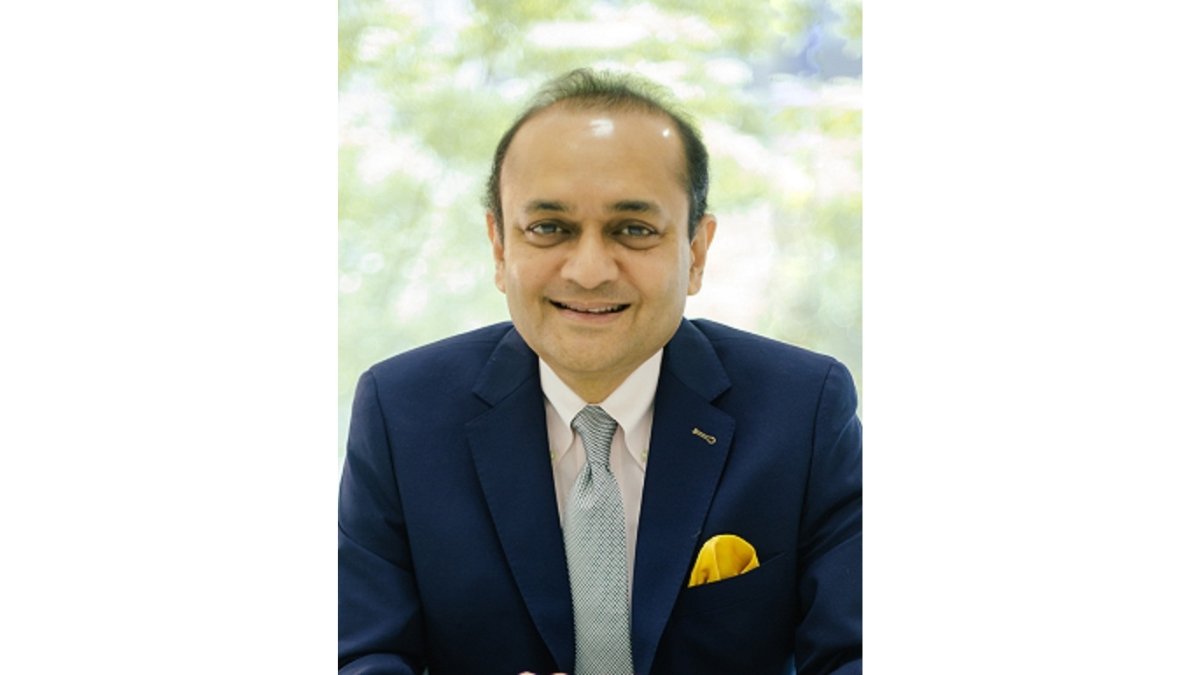
2. Rajiv Gandhi, Founder, MD & CEO, Hester Biosciences Ltd and President AMA
Rajiv Gandhi
In stable economies, annual budgets do not witness wide variations. The changes are largely aimed at refining ongoing reforms and maintaining continuity in policy direction. So is the case with India. From the upcoming Budget, I would particularly like to see enhanced public expenditure towards agriculture, animal husbandry and infrastructure creation. Strengthening the primary sector can provide a strong foundation for agricultural & industrial growth, leading to a boost to MSMEs. This, in turn, would generate employment, raise disposable incomes, stimulate consumption and ultimately strengthen domestic demand, creating a cycle of sustainable economic growth.
3. Mohit Saboo, CFO & Director, BigBloc Construction Ltd
We view Union Budget 2026 as a pivotal opportunity to accelerate India’s infrastructure and housing growth through sustainable construction. Higher capital allocation for housing, urban development and green infrastructure can significantly boost demand for innovative building materials. We expect incentives such as higher FSI for projects using AAC blocks and panels, tax benefits for green materials, and phased curbs on polluting red bricks to encourage cleaner alternatives. Continued PMAY support, faster approvals for infrastructure projects, and a targeted liquidity push for real estate will further aid sector momentum. Prioritising sustainable urban infrastructure, logistics and railways can drive job creation while supporting ESG-compliant, efficient construction solutions.
4. Nrupesh Shah, Founder and Chairman, Nrups Consultants LLP
To achieve the vision of Viksit Bharat (by 2047) with an economy size of US$ 30 trillion per capita income US$ 18,000, must unleash series of bold economic reforms. Restricting to three major suggestions:
i) Ease of Doing Business:
While several steps have been taken, businesses still require much greater simplification in regulatory compliances. Transformative reforms are needed across Factories Act, GST, Income Tax, Company Law, SEBI, and listing regulations to truly match Southeast Asian economies and China.
ii) Massive Divestment:
As announced in Budget 23, the government should divest majority stakes in non-strategic PSUs, releasing resources to rationalize taxation and support SMEs, making Indian industry globally competitive.
iii) Unleashing Land Reforms:
Land acquisition remains a major bottleneck—complex, contentious, and time-consuming. Amid global geopolitical, AI, and economic challenges, above reforms will revive India’s entrepreneurial spirit.
5. Amarendra Kumar Gupta, CFO, Sterling Hospitals
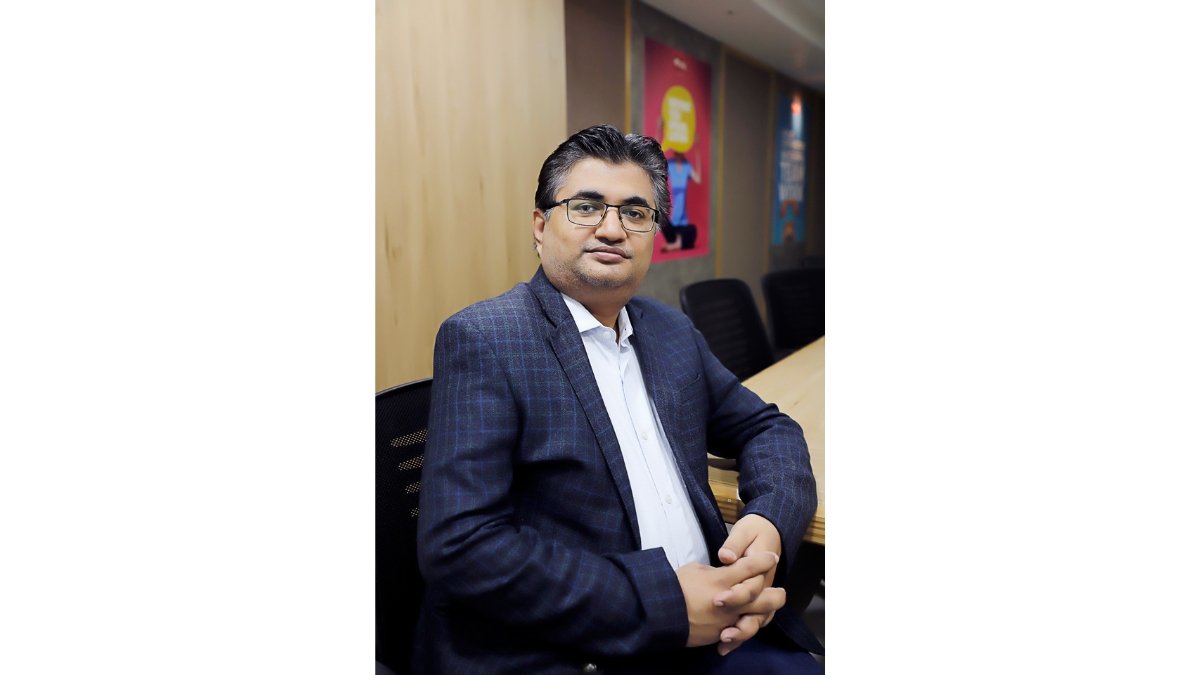
Amarendra Kumar Gupta
“Ahead of the Union Budget, a higher allocation for public healthcare, aligned with the National Health Policy target of 2.5% of GDP, will strengthen care delivery and ease operational pressures. Increased outlay for Ayushman Bharat can help streamline reimbursements and improve system efficiency. Incentives for private hospitals, indigenous medical devices, AI-enabled healthcare, and faster clearances for domestic drug and vaccine development will support capacity building, reduce costs, and improve affordability for patients across the country.”
If you object to the content of this press release, please notify us at pr.error.rectification@gmail.com. We will respond and rectify the situation within 24 hours.