




 0 Comments

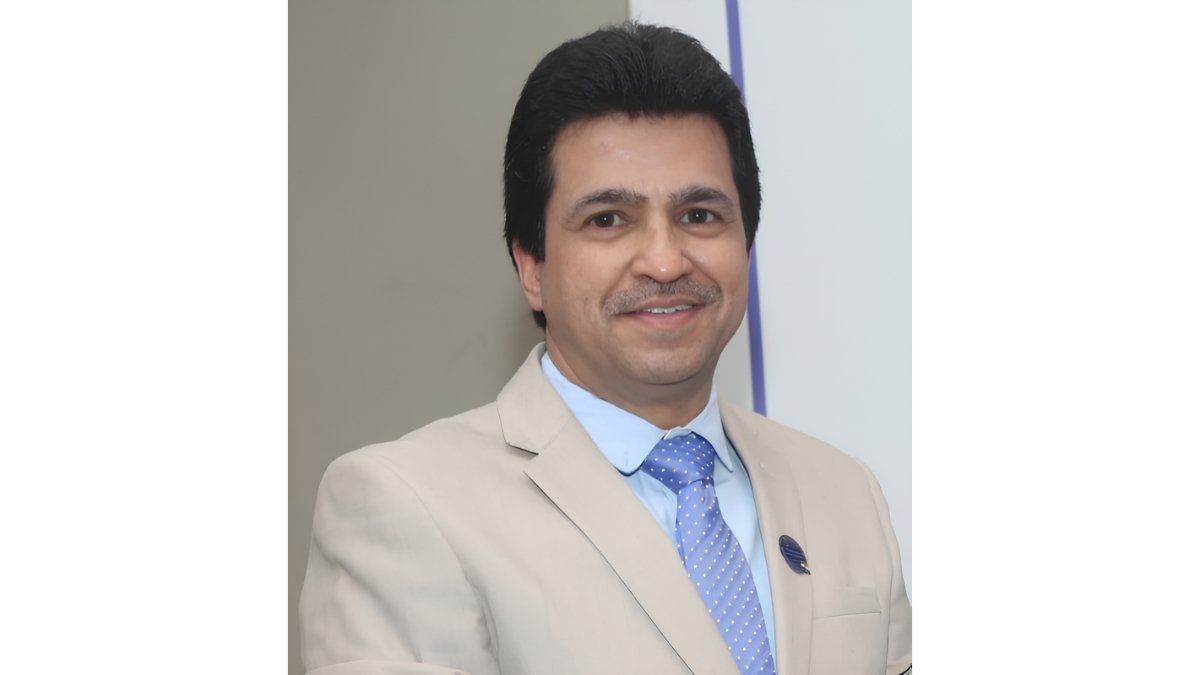
Dr Sachin Shah
Pune (Maharashtra) [India], November 17: India’s polio-free status is a public-health achievement built over years through vaccination and surveillance. Its continuation depends on keeping immunisation coverage high and ensuring that children receive recommended doses on schedule.
Wild poliovirus type 1 continues to circulate in Afghanistan and Pakistan, where the disease remains endemic. Given India’s geographical proximity to these countries and ongoing cross-border movement, the possibility of poliovirus being reintroduced remains a public-health concern. Maintaining high vaccination coverage and effective surveillance is therefore essential to protecting children and preserving India’s polio-free status.
“India’s polio-free status is an achievement that calls for continued collective effort. When a disease becomes less visible in everyday life, there is a risk that families may become less conscious of the need for timely vaccination. Keeping every child protected through the recommended immunisation schedule remains essential to safeguarding the progress India has made,” said Dr Sachin Shah, Senior Consultant and Director, Surya Mother & Child Hospital, Wakad, Pune.
Polio is a highly infectious viral disease that primarily affects young children and can cause permanent paralysis within hours. Around one in 200 infections can lead to irreversible paralysis, while 5–10% of those who develop paralysis may die if their breathing muscles are affected. Many infections cause no symptoms or only mild illness, allowing the virus to spread without being detected. **There is no cure for polio, making vaccination the most effective means of prevention.
Dr Sachin Shah added, “Parents have an important role to play in ensuring that their children receive every recommended dose of the polio vaccine. Keeping vaccination records updated and consulting a paediatrician about any missed or pending doses can help ensure that children remain protected as they grow. Timely immunisation, supported by continued public-health surveillance, is vital to sustaining India’s polio-free status.”
As per the Indian Academy of Pediatrics’ recommended immunisation schedule, children receive three primary doses of the polio vaccine at 6, 10 and 14 weeks of age, followed by booster doses at 16–18 months and 4–6 years. Completing the recommended schedule on time helps maintain protection through early childhood and the school-entry years.
WHO – Poliomyelitis fact sheet
Disclaimer: This article is for informational purposes only and is not a substitute for professional medical advice, diagnosis, or treatment. Always seek the advice of your physician or another qualified health provider with any questions regarding a medical condition. The media staff is not responsible for the content, including the data and text, and has no role in its selection. The publisher is not liable for any actions taken based on this content.


